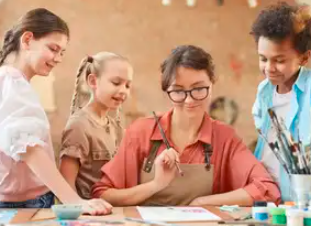












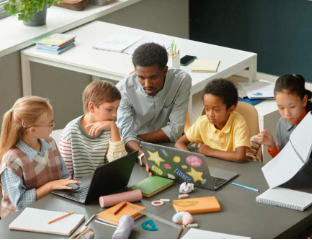
Collaborative learning has gained widespread attention as an effective educational strategy that promotes deeper understanding, communication skills, and student engagement. When students work together, they don’t just share ideas—they also build a sense of responsibility and teamwork that enhances learning outcomes for everyone involved.
What Is Collaborative Learning?
Collaborative learning refers to an instructional approach where students actively participate in group activities to solve problems, complete tasks, or create projects. Unlike individual learning, this method emphasizes shared goals, group discussions, and peer feedback.
Why Collaborative Learning Matters
This approach helps students develop a range of skills that go beyond academic knowledge. It nurtures critical thinking, adaptability, and the ability to listen and respond constructively to others. When learners teach each other and work toward common objectives, retention and understanding often improve.
Strategies to Encourage Collaboration
Educators can foster collaborative learning by using simple techniques such as:
Group projects that require collective planning and execution.
Peer review sessions where students give and receive constructive feedback.
Problem-solving tasks that require cooperation and discussion.
Interactive tools like shared digital whiteboards or breakout rooms in online classes.
Benefits for All Learners
Students often feel more motivated when they learn from and with their peers. Collaborative environments can help reduce anxiety, increase participation, and boost confidence. They also encourage learners to view challenges from different perspectives—an essential skill in both education and life.
Creating a Positive Learning Culture
To make collaborative learning successful, it’s important to establish a classroom culture that values every voice. Clear expectations, mutual respect, and supportive guidance from instructors all contribute to a productive environment.
Conclusion
Encouraging collaborative learning isn’t just about group work—it’s about building a community of learners who support and challenge each other. With thoughtful planning and the right strategies, educators can create spaces where everyone thrives together.